
AC Repair Near Me: What It Actually Takes for a Local Company to Rank in the world of local SEO (its not what you think).
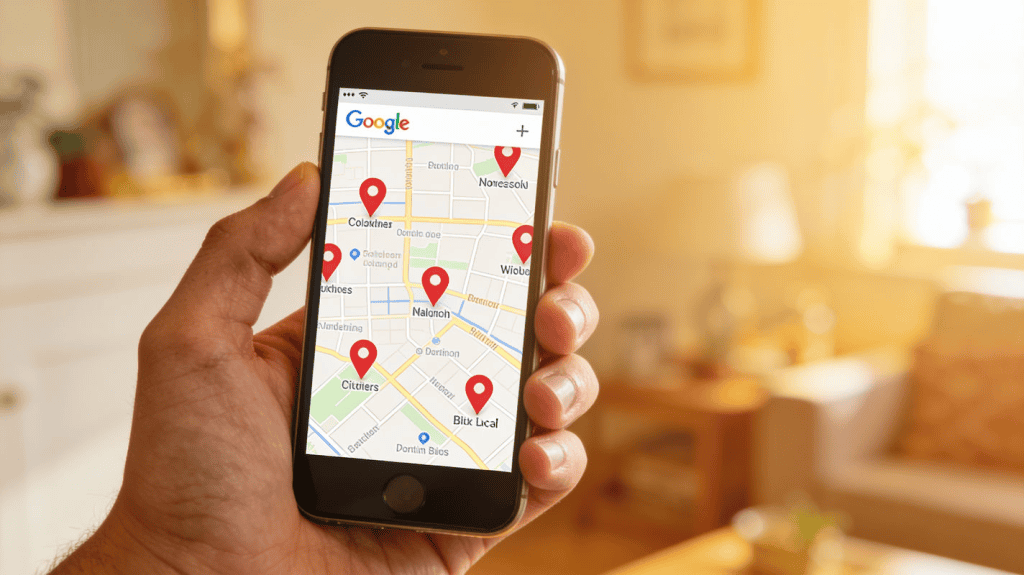
Type “AC repair near me” into Google on a hot afternoon and watch what happens. A little map with three businesses sits at the top, then a wall of blue links underneath it. For a local HVAC company, those three map spots are close to the whole game. Whoever owns them owns the phone calls, and just about everybody below the fold may as well not exist. Most local service owners never figure out why they are stuck down on page two while a competitor with a worse truck and a smaller crew sits up top. So here is the honest version of what it actually takes to climb, with nothing dressed up.
The first thing owners get wrong is treating local search like one thing. It is two. The map pack, those three businesses with the pins, gets ranked mostly on how close you sit to the person searching, how complete and active your Google Business Profile is, and your reviews. The plain links underneath get ranked more like old-fashioned website SEO, on how good and how deep your actual site is. You can win one of those races and lose the other.
This trips people up constantly. An owner pours money into a slick new website, then wonders why a shop with an ugly site keeps sitting above him on the map. The answer is that the pretty website is competing in the wrong race for that spot. The map does not care how nice your homepage looks. It cares whether your profile is built out and whether real customers keep leaving reviews. Two races, two playbooks. If you only run one, you only win one.
Here is the part that sounds like bad news and is actually freeing. Proximity is the single factor nobody controls. If the person searching is physically closer to a competitor, that competitor has the edge on that one search, and there is nothing you can do to change where somebody is standing when they pull out their phone. So you never really win the whole map. You win a radius around your shop.
Once you accept that, the job gets clear. You are not trying to rank everywhere. You are trying to push your radius out, to keep landing in the top three farther and farther from your own front door. Every other signal feeds that radius. A complete profile pushes it out. A steady stream of reviews pushes it out. A website with real depth pushes it out. The companies that dominate a metro are not beating proximity. They are stacking everything else so high that they show up in the top three even when they are not the closest option on the block.
If the map pack is the race you most want to win, the Google Business Profile is the engine. And most profiles are running on half the cylinders. Owners claim the listing, type in a phone number, and walk away. That is leaving the biggest free lever in local search sitting on the table.
A profile that actually competes has the primary category set correctly, not something vague, plus the secondary categories that match the work you really do. It lists your services with real descriptions instead of blank slots. It has photos that get refreshed, not three blurry shots from the day you opened. It has hours that are right, including the holiday hours nobody remembers to update. It uses the posts feature so the listing looks alive instead of abandoned. None of this is clever. It is just thorough, and thorough is rare, which is exactly why it works. Google leans toward businesses that look maintained, because a maintained listing is a decent bet that the business is still open and still answering the phone.
Most companies treat reviews like the weather. Something that just happens to them. That is a big miss. How many reviews you have, how fresh they are, and whether you bother replying are some of the loudest signals in the whole map pack. A shop with two hundred reviews and a few new ones trickling in every week will usually beat a shop with thirty, even when those thirty carry a slightly higher star average. Volume and freshness matter more than a perfect average that stopped growing two years ago.
The fix is boring, which is the real reason nobody does it. Ask every happy customer, every time. Make it one tap with a direct link, not a hunt through menus. And answer every review that lands, the good ones and the rough ones, in a normal human voice. A business that replies looks like a business that cares, both to the customer reading it and to Google watching the listing stay active. Do this for a few months while your competitors sit on their hands, and you pull ahead without spending a dollar on ads.

This one is quiet and it costs companies more than they know. Your business name, address, and phone number need to read exactly the same everywhere they appear online. The Google profile, the website footer, the old directory listings, the Facebook page, all of it. When those details drift, say the website says Suite B and an old listing says Ste. B and another drops the suite entirely, Google gets a little less sure you are one single real business at one real address. That uncertainty bleeds into the map.
Cleaning it up is tedious and unglamorous and it works. Pick the exact format you want, down to the abbreviations, and make every listing match it. New businesses skip this and wonder why they cannot crack the top three even with good reviews. Often the answer is a pile of mismatched listings quietly working against them.
This is where the website finally earns its keep, and it is the part owners understand the least. Google wants to rank businesses it believes are genuine authorities on a subject. A thin site with a homepage, a services page, and a contact form tells it almost nothing. It looks like a brochure somebody printed once and forgot. A site that actually answers the questions customers are asking, in real depth, tells Google this company knows air conditioning inside and out.
You build that depth by covering the real questions people type, including the ones sitting right there in Google’s own “People Also Ask” box, and answering each one like a person instead of stuffing in a paragraph of filler. Why is my AC running but not cooling. How long should a repair take. Is it safe to run the system with a refrigerant leak. Every one of those is a page a homeowner is searching for at the exact moment they need a company like yours. Answer them honestly and you become the site Google trusts to put in front of those searches. Ignore them and you stay a brochure, ranking for your own business name and nothing else.
Rather than describe this in the abstract, it helps to look at a company actually pulling it off. A St. Louis area HVAC business, Liberty Heating Cooling and Plumbing, built out their AC content the right way. Instead of stopping at “we repair air conditioners,” they wrote real pages answering the specific things homeowners panic-search, with plain explanations and FAQ schema so Google can read the questions and answers cleanly. Here is one of those pages worth studying:
https://libertyheatingcoolingandplumbing.com/what-causes-ac-to-run-without-cooling-oakville/
Notice what it does. It takes one real homeowner question, the AC is running but the house is not getting cold, and it actually answers it in depth instead of treating it as a reason to demand a service call. That single page does two jobs at once. It earns trust with the homeowner who is reading it at 9 at night with a warm house, and it tells Google this is a company that genuinely knows the trade. Stack thirty pages like that and the website stops being a brochure and starts being an authority.
Owners always want a date, and the honest answer is that the two races move on different clocks. The map pack tends to respond faster. Clean up the profile, get a real review habit going, fix the mismatched listings, and you can often see your position on the map start to move inside about thirty days. The website side is slower. Topical authority builds over months as Google crawls your new pages, decides they are useful, and starts trusting you for more searches. The phone calls that come from all of it usually lag behind the rankings by another sixty to ninety days, because ranking higher and a customer actually deciding to call are two separate things.
Anybody promising you the top of the map next week is selling something. This is a stacking game, not a switch you flip. The good news is that once it stacks, it holds. A company that built real reviews and real content depth does not get knocked off the next time Google updates something, because the thing holding them up is real.

The businesses stuck below the fold usually share the same handful of habits. They claimed the Google profile and never built it out. They have a small pile of old reviews and no system to get new ones. Their address reads three different ways across the web. And their website is a brochure that has not added a useful page since it launched. None of those are dramatic failures. They are just gaps, and the gaps add up to a company Google has no strong reason to promote.
The fix is not a secret and it is not expensive. It is the unglamorous work above, done steadily, while competitors keep waiting for the phone to ring on its own. That is the quiet advantage. Most owners will not do the boring parts, so the few who do end up owning the radius.
Most owners reading this are already buried, running calls all day and doing the books at night. So the real question is not what the perfect plan looks like, it is what to touch first when you only have an hour to spare. Start with the Google Business Profile, because it is free and it moves the fastest. Fix the categories, fill in every service, and add a few fresh photos from a recent job. That alone puts you ahead of half your competition.
Then build the review habit, because it compounds. Write one short text you can send to every customer with a direct review link, and actually send it every single time. The week after that, walk your business name, address, and phone across the web and make every listing match. Only once those are humming should you pour real time into the website, one honest page at a time, answering one real customer question per page. Do it in that order and each step makes the next one work harder. Try to do everything at once and you will burn out and quit, which is how most owners end up right back on page two.

Ranking for “AC repair near me,” or any “near me” service search, is not one trick. It is stacking the signals local search actually counts. Get the Google Business Profile fully built and categorized right. Build a real, steady review habit and answer everything that comes in. Keep your business details identical everywhere they show up. And give the website honest depth on the thing you want to own, answering the questions real homeowners are typing instead of posting a brochure and hoping.
Do those, and the radius where you land in the top three quietly grows, which was the whole point. The companies winning these searches are not smarter or richer than you. They just built what Google was looking for while everyone else stood around waiting for the calls to show up. The work is boring and it is available to anyone. That is the part nobody wants to hear, and it is also the part that makes it possible.